


Our Magazine
Blue Dial Watches: Why Are They So Popular?

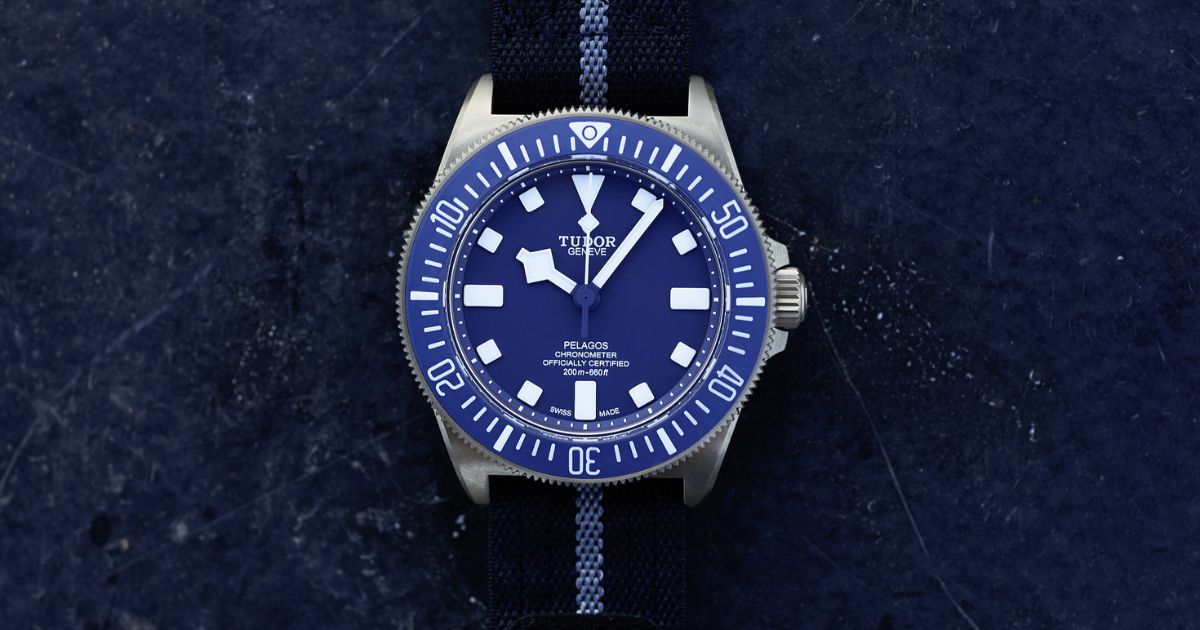
In the rarefied world of horology, where complications whisper of engineering genius and materials tell tales of innovation, a silent, pervasive force has captured the collective imagination of collectors and connoisseurs alike: the blue dial. From the sun-dappled depths of the Mediterranean to the deep twilight of a clear night sky, the blue watch face has evolved from a mere option to a contemporary icon. But what is it about this particular hue that commands such unwavering popularity? The answer lies in a fascinating confluence of psychology, history, artistry, and versatility.
The Psychology of Blue: Trust, Depth, and Serenity
Before we even consider its horological application, blue’s power is rooted in human perception. Psychologists and colour theorists have long established blue as a colour associated with stability, trust, and tranquility. It evokes the vastness of the ocean and the infinity of the sky, creating a sense of reliability and calm. On the wrist, a blue dial subconsciously communicates these values. It is neither the aggression of red nor the neutrality of black; it is confident yet approachable, profound but not sombre. For the wearer, it offers a slice of serene sophistication, a quiet reminder of depth and perspective amidst the chaos of daily life. This psychological bedrock makes blue universally appealing and incredibly easy to live with.
A Nod to History: From Tool Watch to Status Symbol
Blue’s journey to horological stardom is a tale of gradual ascent. Initially, tool watches—think early dive and pilot’s watches—favoured high-contrast, legible colour schemes, often black or matte finishes. Blue, however, had its aristocratic patrons. In the mid-20th century, references like the Rolex “Blueberry” GMT-Master or the elegant blue-dialled Patek Philippe Calatrava were subtle markers of distinction, less common than their black or white counterparts.
The true turning point arguably came with the launch of the Audemars Piguet Royal Oak “Jumbo” with its iconic “Petite Tapisserie” dial in a stunning gradient blue, or the “bleu Nuit” of many a Patek Philippe Nautilus. These integrated-bracelet sports watches, now legendary, transformed the blue dial from a dressy choice into the ultimate symbol of a luxurious, sporty-chic ethos. It signalled a shift: blue was no longer just formal; it was versatile, dynamic, and deeply desirable. It carried the heritage of the ocean and the sky into the realms of high society and groundbreaking design.
The Artistry of the Hue: A Spectrum of Emotion
To simply say “blue” is to undersell the incredible artistry involved. The magic of a blue dial is in its texture, finish, and the way it plays with light. Watchmakers and dial manufacturers are like alchemists, creating an entire universe within a few centimetres:
- Sunray Brushed: Perhaps the most popular finish, where light radiates from the centre, creating dynamic streaks that shift from deep navy to bright azure with a twist of the wrist. It’s alive with energy.
- Gradient or “Ombré”: A masterful fade from a deep, almost black centre to a vivid blue periphery (or vice-versa), mimicking the horizon at dusk. It adds immense visual depth and complexity.
- Lacquer: A high-gloss, incredibly deep and uniform finish that looks like a pool of liquid ink. It’s rich, luxurious, and has a mesmerizing, glass-like quality.
- Matte or Grained: Evoking the utilitarian spirit of tool watches, a matte blue is understated, legible, and perfectly casual. Think of the clean, functional blue of a classic pilot’s watch.
- Enamel (Grand Feu): The pinnacle of the art. Fired at extreme temperatures multiple times, grand feu enamel achieves an unrivalled depth, brilliance, and permanence of colour that is simply unmatched by other techniques.
Each of these finishes tells a different story, from sporty to formal, from modern to vintage-inspired. This vast spectrum ensures there is a perfect blue for every personality and every occasion.
Unrivaled Versatility: The One-Watch Wardrobe Chameleon
This is arguably the blue dial’s greatest practical strength. In the pursuit of the ideal collection—or even the mythical “one-watch collection”—versatility is king. A blue dial watch wears a unique magic:
- With Steel: On a stainless steel case and bracelet, a blue dial achieves the perfect sporty-elegance balance. It is equally at home with a polo shirt and chinos as it is with a crisp business shirt.
- With Precious Metals: In rose or white gold, a blue dial becomes profoundly luxurious and warm, elevating its presence for formal occasions while retaining its character.
- On Leather: Paired with a navy, brown, or even burgundy leather strap, the blue dial transforms, leaning into its dress-watch heritage. The interplay of blues or the contrast with warm leather tones is endlessly pleasing.
It seamlessly bridges the gap between the boardroom, the weekend brunch, and the evening event. A black dial can feel strictly formal or tool-oriented; a white dial can lean dressy. A blue dial, in its myriad shades, does it all with effortless grace.
The Collector’s Corner: Blue as a Modern Benchmark
For the modern collector, a blue-dialled variant has often become the most sought-after version of a model, sometimes even commanding greater prestige than classic black. It demonstrates a brand’s confidence and artistry. A special blue—like Patek Philippe’s “Tiffany Blue,” Rolex’s “Turquoise” on the Oyster Perpetual, or Omega’s deep “Liquid Metal” blue on Seamasters—can become a cultural phenomenon in itself. Collectors don’t just see a colour; they see a story, a specific reference, a moment in a brand’s history captured in a unique hue.
Conclusion: More Than Just a Trend
The reign of the blue dial is no fleeting trend. It is the result of its unique positioning at the intersection of emotional resonance, historical prestige, artistic expression, and sheer practicality. It is the colour that speaks of both the explorer’s spirit and the quiet confidence of achievement. It is a dial that can be read as a tool under the bright sun or admired as a piece of art in candlelight.
In the end, to choose a watch with a blue dial is to choose a companion of remarkable depth and flexibility. It is an invitation to a world where serenity meets sophistication, where heritage meets contemporary style. It is, quite simply, the colour of a timeless horizon on your wrist—always in sight, always inspiring, and forever in style.