



Our Magazine
Uncovering the Magic of Vintage Heuer Chronographs

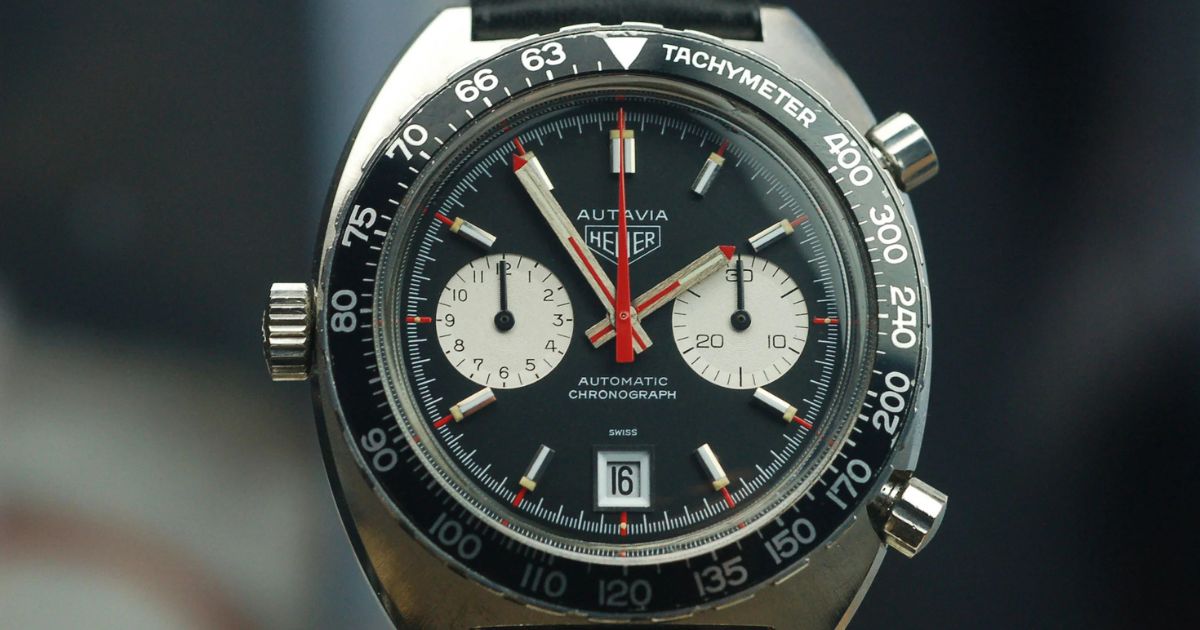
For the discerning collector and enthusiast of mechanical artistry, few things evoke the visceral thrill of a vintage chronograph. Among these, the watches born from the Heuer workshops of the mid-20th century hold a unique and potent allure. They are not merely old timepieces; they are reservoirs of history, design language, and rugged functionality that continue to define what a tool watch can be. To delve into the world of vintage Heuer is to uncover a magic that lies at the intersection of purpose, innovation, and enduring style.
The Bedrock: Tool Watches with a Mission
Long before the term “luxury sports watch” was coined, Heuer was building instruments. The magic begins with this unshakeable identity. In the 1950s and 1960s, Heuer’s focus was on timing real-world events: motor races, scientific experiments, athletic performances, and even military operations. This purpose-driven DNA is palpable in every vintage piece. The cases, often robust and straightforward, were designed for legibility and durability. The dials, free from superfluous decoration, communicated information with stark clarity. Wearing a vintage Autavia, Carrera, or Monaco is to wear a slice of pragmatic history—a tool that was meant to be used hard, a philosophy that grants these watches an authentic, untampered charisma.
A Symphony of Iconic Models: Characters in a Story
The magic of vintage Heuer is wonderfully encapsulated in its legendary families, each with a distinct personality.
- The Autavia: Introduced in 1962 (as a wristwatch, following a line of dash-mounted timers), its name portmanteau of AUTomobile and AVIation says it all. The early Autavias, with their rotating bezels (12-hour or 60-minute), sturdy lugs, and highly legible dials, were the ultimate all-rounder chronographs. The magic here is in its versatility and its myriad of dial configurations—from clean two-register layouts to the complex “flyback” Calibre 12 versions. The “Rindt” and “Viceroy” models are just two examples of how reference variations tell specific historical and cultural stories.
- The Carrera: Launched in 1963, this is perhaps Heuer’s purest expression of minimalist, driver-centric design. Jack Heuer, seeking a chronograph with unparalleled clarity for high-speed racing, conceived a watch with a stark, clean dial, recessed sub-dials to avoid visual distraction, and a sleek case. The magic of an early Carrera reference 2447 or 3647 lies in its breathtaking elegance and focus. It is a racing instrument refined into a wrist-borne sculpture, showcasing how extreme functionality can birth timeless aesthetics.
- The Monaco: The game-changer. Released in 1969, its radical square, water-resistant case, first-ever automatic chronograph movement (Calibre 11), and left-sided crown made it a sensation. Its association with Steve McQueen in the film Le Mans cemented its icon status. The magic of the original Monaco (ref. 1133) is its audacity. It is a tangible piece of horological futurism from the late 60s, a defiantly avant-garde statement that broke every convention of chronograph design and still feels electrifying today.
- The Camaro and Montreal: These models highlight Heuer’s daring experimentation in the late 60s and early 70s. The Camaro, with its distinctive “upside-down” case shape and elegant lugs, offers a more accessible but no less charismatic entry into vintage Heuer. The Montreal, with its wild, colourful dial and integrated bracelet, captures the vibrant, maximalist spirit of the 1970s. Their magic is in their individuality and boldness.
The Details Where Enchantment Resides
The true magic is often in the minutiae, where age and purpose interact:
- The Luminous Patina: Tritium-based lume plots, once white or cream, have matured into warm, custard-yellow or rich chocolate-brown tones. This patina is not damage; it’s a unique signature of time, creating a dial warmth that modern replicas cannot truly capture.
- The Spider-Webbing Dial: On some models, the lacquer on the metal dial has developed a fine network of cracks. Known as “spider dials,” these are highly collectible, seen as a beautiful testament to the watch’s age and the organic nature of vintage materials.
- The Case and Bezel Wear: The gentle softening of edges, the scars from a forgotten wrench, the faded bezel insert—these are a watch’s biography. On a tool watch like a Heuer, such honest wear enhances its character, proving it lived the life it was designed for.
- The Movement: A Workhorse Heart: Inside beats the soul: the venerable Valjoux 72 (manual-wind, column-wheel), the robust Calibre 11/12 (microrotor automatics), or the elegant Lémania 1873. Learning to identify these movements connects you to the horological ecosystem of the era. They are celebrated not for finishing, but for reliability and serviceability—the true heart of a tool.
A Guide for the Learning Collector
Entering this world requires a blend of passion and prudence.
- Focus on Originality: In vintage Heuer, originality is paramount. Seek dials, hands, bezels, and crowns that are correct to the reference. A magnificent but refinished dial can drastically reduce a watch’s historical and monetary value. Study reference databases and compare details meticulously.
- Condition is a Story, Not Just a Grade: Decide what speaks to you. Some seek museum-grade “new old stock,” while others crave a watch with honest, even dramatic, wear that tells a story. Both are valid, but understand the implications.
- Embrace the Research: The journey is half the magic. Invest time in books like Heuer Chronographs by Richard Holt and The Vintage Heuer Collector’s Guide. Online forums and dedicated enthusiast sites are invaluable communities for learning.
- Beware the “Frankenwatch”: The popularity of these models has led to watches assembled from non-original parts. Knowledge is your only shield. Understand what specific references should contain.
The Enduring Spell
The magic of vintage Heuer chronographs is, ultimately, alchemical. It’s the transformation of base metals—steel, glass, lacquer—into objects of enduring desire through the catalysts of history, purpose, and design courage. They represent a pre-quartz, pre-digital age where mechanical ingenuity solved human problems. They evoke the roar of 1960s Formula 1, the cool of McQueen, and the gritty reality of a timing professional’s toolbox.
To own and wear one is not just to tell time; it is to hold a piece of that narrative on your wrist. It is a connection to a lineage of instrument makers who, perhaps unintentionally, created some of the most compelling wearable art of the 20th century. The hunt, the study, and the final act of strapping on a piece of this history—that is where the true, undeniable magic lies.